Thursday, 29 December 2022

Will Twitter, PayPal and Walmart compete to launch America’s super app?

Ever since Elon Musk’s “be careful what you wish for” acquisition of Twitter, speculation about America’s first homegrown “super app” has soared.

In October, Musk tweeted: “Buying Twitter is an accelerant to creating X, the everything app.” According to Ark Invest founder Cathie Wood, Musk is “thinking about a super app like WeChat Pay.” Keep in mind that Musk founded X.Com and merged it with Confinity to create PayPal.

For context, China’s WeChat launched as a messaging service in 2011 and has since become a combination of Meta, Apple Pay, Venmo, Amazon, Uber, Robinhood, Rocket Mortgage, Kayak and Healthcare.gov — as well as more than 3.5 million partner “mini programs” that operate inside the app. PayPal and Walmart have been teasing their own versions of financial super apps since at least September 2021 but with much less fanfare.

Twitter, PayPal and Walmart could find themselves competing to monetize the financial lives of millions of people. That raises several questions: Why is now the moment for super apps in the West? How should we assess progress toward a super app? How are Twitter, PayPal and Walmart chasing this idea? Which one has the best odds of winning, or is there actually room for several leaders?

Why now?

Though popular throughout Asia, Latin America and Africa, super apps have failed to materialize in the U.S. and Europe. If Twitter, PayPal and Walmart are going to change that, we must ask why.

The benchmark of a fintech super app is how much financial activity it can concentrate into one ecosystem.

“Super apps took hold in Asia because Asian consumers owned under-powered smartphones that weren’t conducive to managing 40 to 50 separate apps,” according to Ron Shevlin, chief research officer at Cornerstone Advisors. In the U.S. and Europe, smartphones didn’t have the power or memory challenges typical of the hardware in less developed regions, so super apps were never a necessity.

Moreover, as Axios argues, data privacy fears, strict banking regulations, and Apple and Alphabet’s control over payments in their mobile operating systems have deterred would-be super apps.

A super app doesn’t solve an obvious problem for the Western consumer besides providing convenience and security (both debatable). That said, you could argue that such an app could bring finance, banking and credit-building opportunities to the underbanked or unbanked, who may be either excluded from mainstream financial services or fearful of them.

So why now?

Twitter has lost the digital advertising field to Alphabet, Meta and Amazon. PayPal is overdependent on payment processing, which is increasingly a crowded, competitive space. Walmart, always a step behind Amazon in digital, is overdue to try something its Seattle rival hasn’t tried.

Super apps represent a fresh and new pasture for these behemoths.

The process

Will Twitter, PayPal and Walmart compete to launch America’s super app? by Ram Iyer originally published on TechCrunch


from TechCrunch
via Click me for Details

Wednesday, 28 December 2022

Twitter suffers another outage

If Twitter isn’t loading fine for you, you’re not alone. Tens of thousands of users are complaining that they are unable to access the Elon Musk-owned social network, seeing scores of strange error messages instead. Some are being greeted with a blank page while others are getting signed out of the service, they said. Many users said they were unable to see their replies or respond to tweets or follow trending topics.

Twitter also showed “rate-exceeding limit” to some users, suggesting its servers weren’t able to cope up with the incoming requests. The hashtag #TwitterDown is trending on the platform.

The outage, which appears to be affecting international users in the UK, Canada, Germany, Italy and India, began at about 4 p.m. Pacific time. Third-party web monitoring services including NetBlocks and DownDetector confirmed receiving reports from users. DownDetector says the vast majority of complaints suggest that Twitter is largely facing an issue on desktop.

Many are also unable to access TweetDeck, a power users-focused service from Twitter. NetBlocks additionally added that the “widespread” incident is not related to “country-level internet disruptions or filtering.” Twitter has yet to acknowledge an outage.

Musk acquired Twitter for $44 billion in late October. He has sought to cut Twitter’s costs by eliminating thousands of employees. Musk has also focused on making Twitter experience faster for users by removing bloat code from the service.

The service was operational “even after I disconnected one of the more sensitive server racks,” Musk tweeted on December 24. Earlier this month, Twitter briefly blocked traffic from about 30 mobile carriers mainly in the Asia-Pacific region as part of an attempt to rid Twitter of spam, Platformer reported.

TechCrunch

Twitter suffers another outage by Manish Singh originally published on TechCrunch


from TechCrunch
via Click me for Details

Daily Crunch: Startup says it has received $1M in preorders for its $60K hydrofoiling personal watercraft

To get a roundup of TechCrunch’s biggest and most important stories delivered to your inbox every day at 3 p.m. PDT, subscribe here.

Hey, folks, welcome back! Below we’ve got some 2022 roundups and even some news. I suspect it’ll get even leaner as the week wears on, but no matter! There will always be stories to share. Now, here is your Wednesday edition of the Daily Crunch. — Hank

The TechCrunch Top 3

  • Sports on Amazon: The tech giant wants to continue its march into broadcasting live sports, adding to its current lineup of Thursday Night Football, Premier League soccer and the like, Aisha reports. Pro tip, Amazon: Add cricket to your plans.
  • Ring true: Movano beat the CES rush and launched Evie, a smart ring focused on women’s health, Brian reports.
  • In the water: Earlier this month, Boundary Layer pivoted to producing personal watercraft that will run interested parties upward of $60,000 once they’re ready. Haje reports that the company has more than $1 million worth of orders.

Dear Sophie: Do employees have to stop working until they get their EAD?

lone figure at entrance to maze hedge that has an American flag at the center

Image Credits: Bryce Durbin/TechCrunch

Dear Sophie,

One of our employees is on an H-4 visa and has an Employment Authorization Document. It’s been five months since he filed to renew his EAD, which will expire next month. Is there any way to expedite this process? Does he have to stop working if he doesn’t receive his new EAD card before his old one expires?

Because it’s taking so long to get EAD cards, we’re worried about another of our employees, who has an L-2 visa with an EAD scheduled to expire early next year.

In addition, the H-4 visa employee wants to visit his family in India because it’s been more than three years since he last went. Will he and his family be able to return to the U.S. after four weeks?

— Mindful Manager

We also rounded up the best of our climate coverage on TC+ this year. And Tim had a couple more favorites:

TechCrunch+ is our membership program that helps founders and startup teams get ahead of the pack. You can sign up here. Use code “DC” for a 15% discount on an annual subscription!

Big Tech, Inc.

  • Twitter trimming: A Norway-based developer told Ivan that she created a tool to help you cull the list of accounts you follow, because she was reaching the follow limit on the platform.
  • Political … tick tock: The U.S. House of Representatives has ordered all staff and lawmakers to delete TikTok from their gov-issued phones, citing “security issues,” Carly writes.
  • Bitcoin mining deal: Galaxy Digital has agreed to acquire Argo Blockchain’s bitcoin mining facility, Helios, for $65 million, Jacquie writes.
  • Code-generating AI: Sounds cool, right? Well, Kyle wrote about a study that found code-generating AI can introduce security vulnerabilities.

2022 in Review

  • Good news!: Amanda, Kyle, Tim, Devin and Rebecca have a roundup of some good news in tech for you. This crop of TC reporters put their heads together to mine 2022 for some tech goodness. Climate tech bolstered by the Inflation Reduction Act and the James Webb Space Telescope are on the list.
  • On the move: Rebecca has compiled the biggest transportation stories that drove the year.
  • Surveying investors: And Karan and Ram give you a glimpse of the investor surveys that we ran on TC+ this year.

Daily Crunch: Startup says it has received $1M in preorders for its $60K hydrofoiling personal watercraft by Henry Pickavet originally published on TechCrunch


from TechCrunch
via Click me for Details

Republican Elections Official To Plead Guilty To Voter Fraud

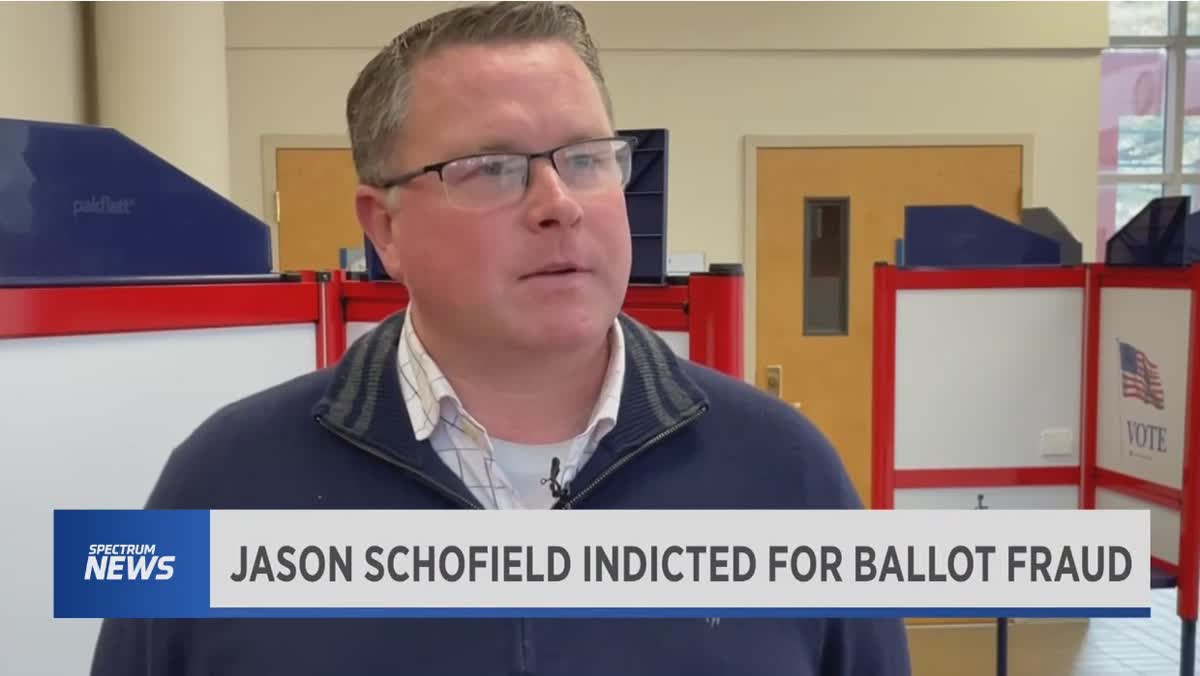
Well, this is pretty wild. The guy in charge of elections in Rensselaer County, NY is the guy committing all that voter fraud that Republicans are so worried about. Apparently, he'll be resigning from his job where he collected $89,000 per year for his part-time services. Interestingly, the same day the federal charges came down he was appointed to a second, four-year term.

The news report above is Spectrum News' report on his arrest on Sept.13. If convicted, Schofield faced up to 5 years in prison and a $250,000 fine, hence the plea agreement.

Source: Times Union

TROY — Jason T. Schofield, Rensselaer County's Republican elections commissioner, is scheduled to plead guilty to federal criminal charges in January in connection with an ongoing investigation of voter fraud by the U.S. Department of Justice.

"He is scheduled for a change of plea and with his change of plea he will be resigning from his position," Danielle Neroni, Schofield's attorney, said Wednesday.

read more


from Latest articles from Crooks and Liars
via Click me for Details

The transportation stories that drove 2022

2022 was the kind of year that made us think, “What a time to be alive and reporting on transportation.” This year was absolutely dominated by conversations around the realities of bringing self-driving cars to market, the potential upheaval of the gig worker economy, micromobility dramas and, of course, all things Tesla.

We took a look back at our top-performing transportation stories to determine what stood out as important to you, our dear readers.
Ford, VW-backed Argo AI is shutting down

Argo AI vehicle

Image Credits: Argo AI

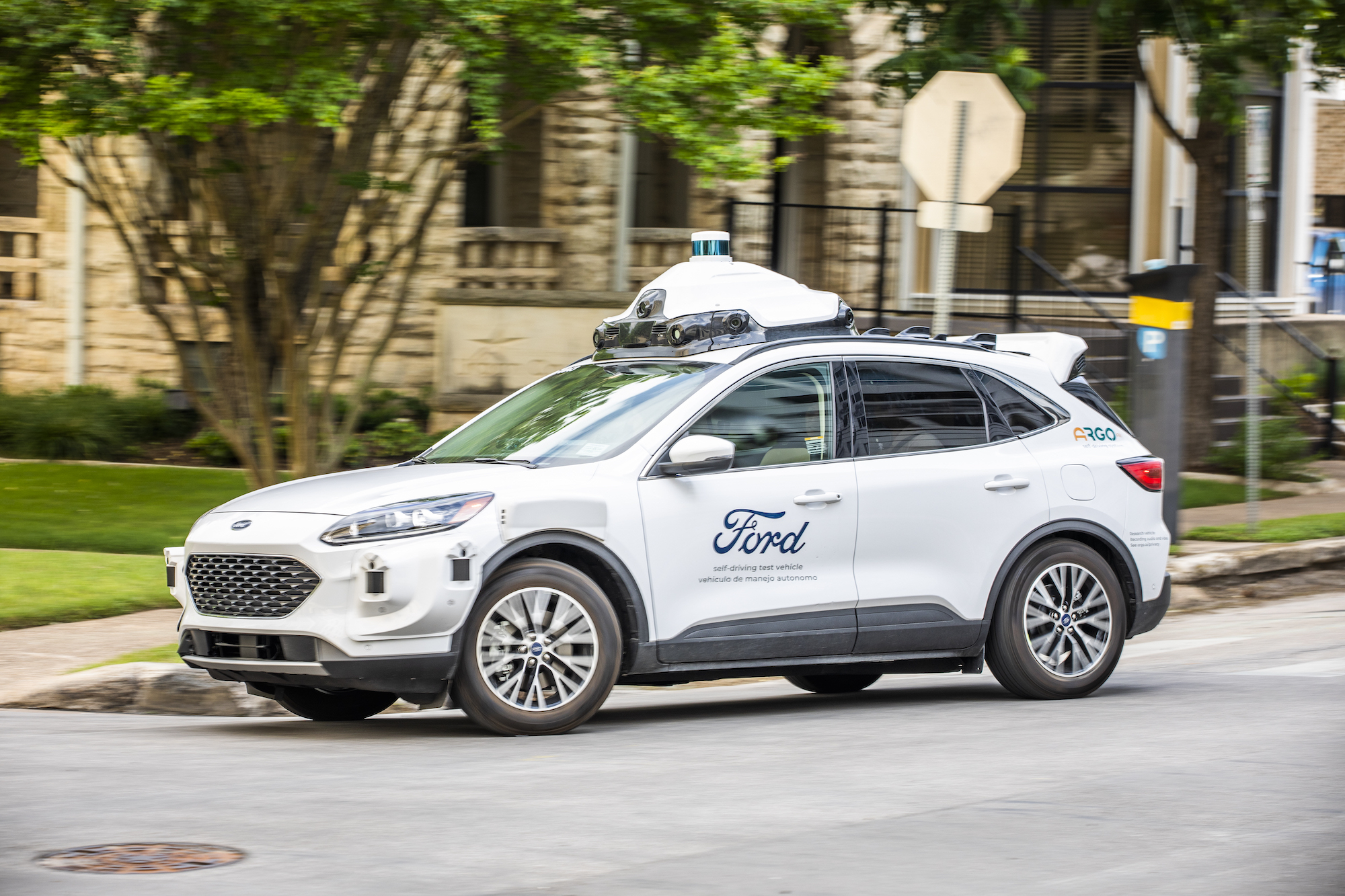
Autonomous vehicle startup Argo AI came onto the scene in 2017 with a $1 billion investment. Today, the company is no more after Ford and Volkswagen pulled out their investments.

This one shocked the AV world, in particular because Argo had been in the middle of running a robotaxi pilot with Lyft in Austin and testing fully driverless technology in Miami. The shutdown of the company signaled two things: (1) Another round of consolidation is coming for self-driving tech companies and (2) Deploying Level 4 self-driving technology at scale is still far away.

Both Ford and VW decided to put their investments toward more near-term paths to profitability, specifically Level 2 and Level 3 autonomy, or advanced driver assistance systems. Jim Farley, Ford’s CEO, also said he didn’t think the automaker would need to develop L4 technology itself but could instead outsource it down the line.
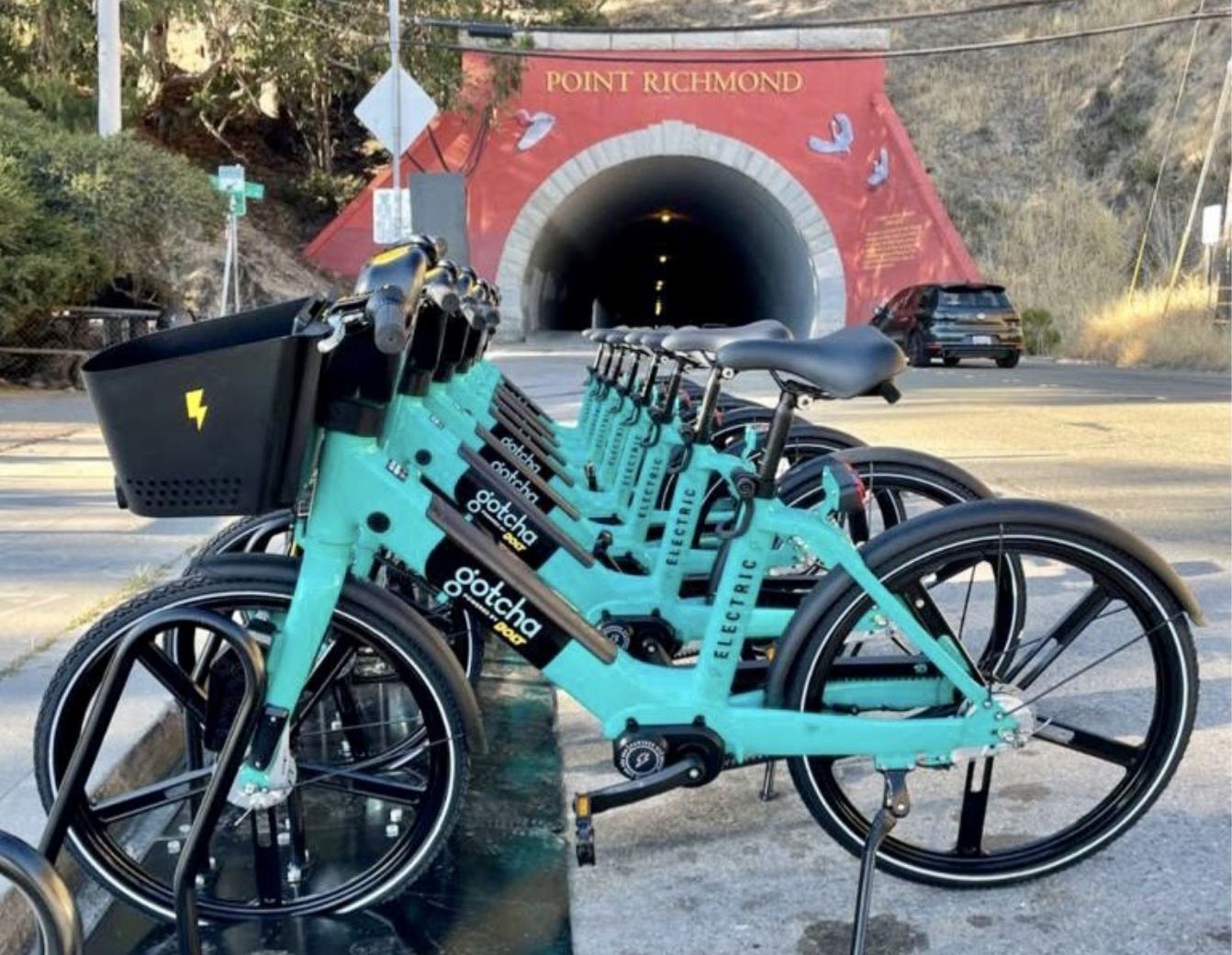
Bolt Mobility has vanished, leaving e-bikes, unanswered calls behind in several US cities

teal-colored e-bikes lined up in richmond, ca

Image Credits: Bolt Mobility

It’s the transportation mystery of the year. What happened to Bolt Mobility, the Miami-based micromobility startup co-founded by Olympic gold medalist Usain Bolt? Back in August, we reported that the company up and vanished from several of its U.S. markets, leaving cities with abandoned equipment, unanswered calls and emails and lots of questions. It also left at least one city, Portland, with outstanding fees.

No one — not TechCrunch nor many city officials — was able to get in contact with the company to ask what happened and what it planned to do with all the gear the company left on the ground.

The company appears to have shut down — it hasn’t been active on social media since July — despite having been on a growth streak the year prior. Bolt started out 2021 by acquiring the assets of Last Mile Holdings, which opened up 48 new markets to the startup. It just goes to show, micromobility is a tough game to win, even if it looks like the odds are in your favor.

If anyone has any information about Bolt Mobility, I’m still dying to know what went down there.

The 10 EVs and plug-in hybrids that stood out at the New York Auto Show

Stellantis Chrysler Airflow Graphite

Image Credits: Chrysler

Because who doesn’t love a roundup? In April at the New York Auto Show, automakers legacy and startup came together to show off their electric vehicle offerings. Here are the ones that got our attention this year:

  • Alfa Romeo’s first compact crossover, the 2023 Alfa Romeo Tonale.
  • The Chrysler Airflow Graphite Concept, a sleek crossover with Level 3 capabilities.
  • Jeep’s Grand Cherokee High Altitude 4xe, a full-size hybrid SUV.
  • Deus Automobiles’ curvy roadster, the Vayanne EV hypercar.
  • Indi EV’s Indi One, the “lifestyle-focused” crossover with a built-in gaming computer.
  • Kia’s subcompact SUV, the 2023 Niro, available in a hybrid, PHEV or EV powertrain.
  • Kia also showed off its EV9 concept, a boxy SUV that is expected to hit the U.S. market by 2023.
  • The Genesis X Speedium Concept, a coupe with a bold design.
  • Vinfast’s two SUVs, the VF8 and VF9.

Musk reveals plan to scale Tesla to “extreme size”

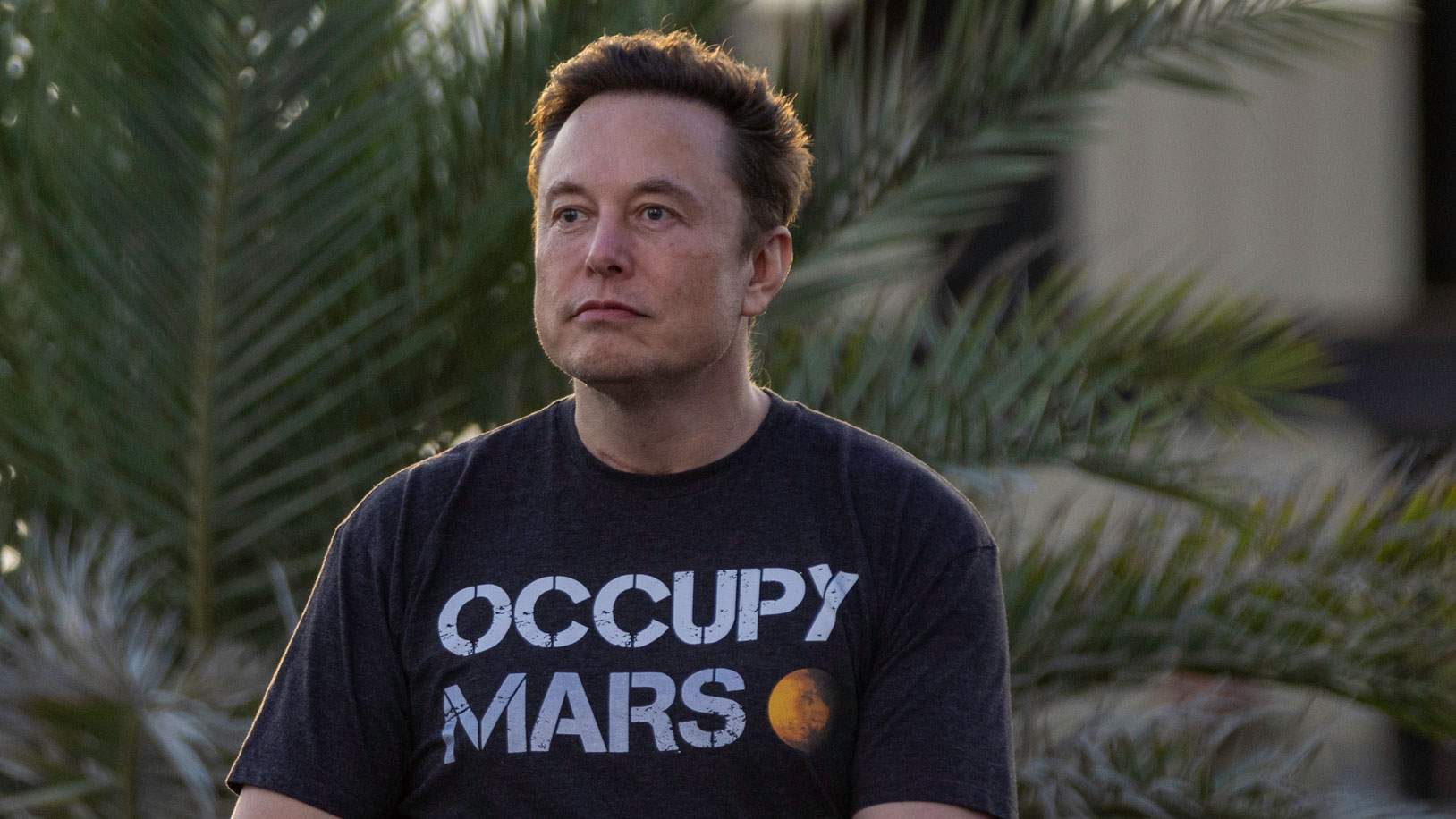
SpaceX founder Elon Musk during a T-Mobile and SpaceX joint event on August 25, 2022 in Boca Chica Beach, Texas

Image Credits: Michael Gonzalez / Getty Images

A day before Tesla opened its Berlin gigafactory in March, CEO Elon Musk teased the release of Tesla’s “Master Plan Part 3,” which leans heavily on themes of artificial intelligence and scaling operations to “extreme size.”

“Main Tesla subjects will be scaling to extreme size, which is needed to shift humanity away from fossil fuels, and AI,” Musk tweeted at the time. “But I will also include sections about SpaceX, Tesla and The Boring Company.”

Part 3 of Tesla’s master plan is the first to include mention of Musk’s other companies. Note: This was published before Musk bought out Twitter.

A quick refresher on parts one and two. Part one was published in a 2006 blog post that outlined Tesla’s proof of concept and involved building a sports car and using the funds to build more affordable cars, while simultaneously providing zero-emission electric power generation. Part two, which came out a decade later, discussed plans to develop battery storage and launch new models, including a pickup truck and SUV.

Later in the year, Musk revealed more details about his Master Plan part three. Per a companywide meeting, the plan’s raison d’etre is: “How do you get to enough scale to actually shift the entire energy infrastructure of earth?”
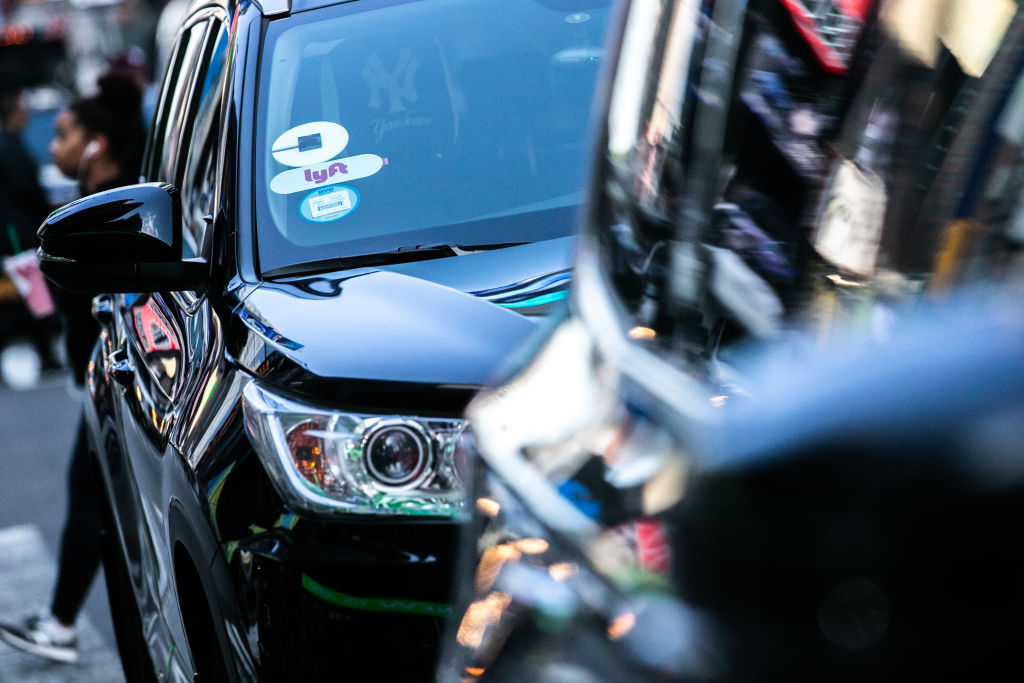
Uber and Lyft drivers say fuel surcharge is “an insult to drivers”

Image Credits: Jeenah Moon/Bloomberg / Getty Images

Russia’s war in Ukraine caused gas prices to skyrocket globally earlier this year. In March, at the start of the war, Uber and Lyft responded by adding temporary fuel surcharges to rider fares to help drivers cover the rising cost of fuel.

The Rideshare Guy, a blog and podcast dedicated to helping ride-share drivers earn more money and stay up to date with industry news, polled its community of Uber and Lyft drivers in the U.S. and found that 43% quit or were driving less due to high gas prices. Before the fuel surcharges were announced, that number was at 53%.

Many drivers said the surcharge wasn’t enough and they’d have liked to see a per-mile surcharge to account for the increased fuel expenditure on long trips rather than a flat fee.

One Lyft driver told TechCrunch the surcharge is “an insult to drivers.”

This article is important today because it encapsulates many themes — our ability as a species to panic the moment prices for hot commodities increase; the ongoing aggravation of gig workers; the subtle dance Uber and Lyft play as they try to appease drivers but seemingly never in a way that’s actually meaningful.

Another big story this year was the Department of Labor’s proposed ruling on gig worker status, and the subsequent tanking of app-based companies’ stock prices. The rule, if passed, will make it easier for gig workers to claim employment status if they can prove they’re financially dependent on a company. Drivers who feel they’ve not only been consistently shafted by macroeconomic events but also barely protected by Uber and Lyft might be praying for real change on a federal level.

The transportation stories that drove 2022 by Rebecca Bellan originally published on TechCrunch


from TechCrunch
via Click me for Details

The rise of platform engineering, an opportunity for startups

More than half of professional developers have CI/CD, DevOps and automated testing tools and services available at their organization, Stack Overflow’s 2022 developer survey uncovered.

However, Stack Overflow noted, only 38% of the 34,906 respondents reported having a developer portal to make it easy to find tools and services. Similarly, data observability tools are only available to a minority of developers.


The Exchange explores startups, markets and money.

Read it every morning on TechCrunch+ or get The Exchange newsletter every Saturday.


These findings show that best practices that have become the norm at startups and tech companies are gaining ground more broadly, but also that there is still a lot of margin for progress to improve the efficiency and work environment of developers.

“It’s kind of crazy that having CI/CD tooling in place, a DevOps function and Automated Testing are the only categories that are above 50%,” Boldstart Ventures partner Shomik Ghosh told TechCrunch. “That means [that] for what is considered table stakes at most startups and tech companies, more than half of developers (presumably in other industries) still don’t have these core building blocks in place.”

The rise of platform engineering, an opportunity for startups by Anna Heim originally published on TechCrunch


from TechCrunch
via Click me for Details

Hutchinson Saw Meadows Burn Documents 'A Dozen Times' In His Fireplace

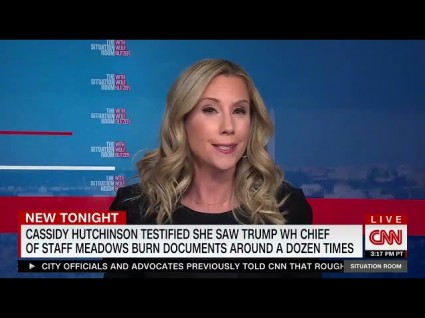
A former aide to Trump White House chief of staff Mark Meadows, Cassidy Hutchinson, has been dishing out the dirt on the ex-president and her boss. Jessica Schneider discussed the latest drop of Jan. 6 transcripts, which looks pretty bad for Meadows. She said that Hutchinson alleged she saw Meadows routinely burning documents in a fireplace.

"We have all the transcripts from Cassidy Hutchinson," Schneider said. "We're learning more details, particularly how she told the committee how she saw Chief of Staff Mark Meadows burning documents in his office fireplace around a dozen times, which she says amounted to once or twice a week between December 2020 and January 2021. She says at least twice she saw Meadows burning documents after he had meetings with Republican Congressman Scott Perry, who, in fact, was subpoenaed by the committee but never complied."

"She said, in particular, Mark Meadows brought up the conspiracy theories," Schneider continued. "Cassidy Hutchinson said she had this exchange with White House trade adviser Peter Navarro. She said, at one point, 'I had sarcastically said, is this from your QAnon friends, Peter? He said, have you looked into it yet, Cass? I think they point out a lot of good ideas. Make sure that you read this.' When she was asked by Liz Cheney if Navarro was being sarcastic, Hutchinson said, 'I did not take it as sarcasm.'"

read more


from Latest articles from Crooks and Liars
via Click me for Details